(aka SPINTREK.COM — easier to spell! Share it with your friends!)
Please follow me on FaceBook HERE! or Instagram HERE!
You can now find my music and multimedia projects on all major streaming platforms — including Apple Music, Spotify, YouTube, Amazon Music, and more. Over 120 songs are currently being remixed and remastered, representing seven albums.
When you search for Monsoniland, please look for the Remastered versions, as they are infinitely better than the original recordings. All songs and albums include the word “ReMastered” after the title.
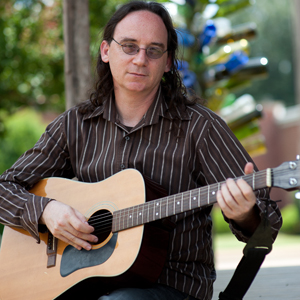
When I was 12 years old, my aunt gave me a portable cassette recorder that could tape songs off the radio. (Don’t laugh — this was 1975!) I bought stacks of blank tapes and started recording, carefully cataloging each track with index cards. By the time I was done, I had over 250 tapes organized — not because I played them back often, but because I felt an unstoppable drive to create.
About 10 years later, I realized that my true passion wasn’t performing live, but building music in the studio. I loved spending hours, weeks, even years experimenting and shaping sounds. My inspirations included The Beatles’ Revolver, Brian Wilson’s Pet Sounds, as well as Todd Rundgren, David Bowie, and Pink Floyd. Coming from a background in classical and symphonic music (as a woodwind player), my projects naturally leaned toward the theatrical and conceptual.
Over the past 30 years, I’ve been lucky to collaborate with many talented people. Some partnerships were short-lived; others became lifelong bonds. Each collaboration left a unique mark on my creativity. For me, these projects are like audio diaries — capturing moments of love, loss, friendship, and discovery.
In the end, I find the creative process itself just as fulfilling — sometimes even more so — than the final product. Art, for me, has always been a way to capture time, reflect on the past, and celebrate the lessons learned along the way.
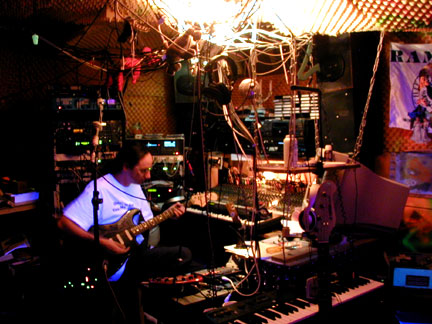
A creative space has always been my greatest source of comfort. Since childhood, I’ve felt an almost irresistible need to shape my surroundings into a reflection of who I am. For a long time, I believed this was simply a “safe zone” — a place to feel at ease. Only later did I realize these spaces meant far more: they were extensions of my imagination, physical expressions of visions I couldn’t otherwise put into words.
Designing these environments became a kind of therapy. In the quiet hours of the night, when everyone else was asleep, I would build spaces that helped me sort through the restless thoughts in my mind. By morning, I felt lighter, clearer, and more focused.
From my childhood bedroom — covered wall to wall with music posters, swirling lights, and string-guided inventions — to workspaces adorned with handmade art and interactive displays, each environment became both sanctuary and canvas. Yet my true passion has always been the creative spaces I designed for multimedia projects: places where I could draw out the deepest thoughts within me and turn them into something tangible.
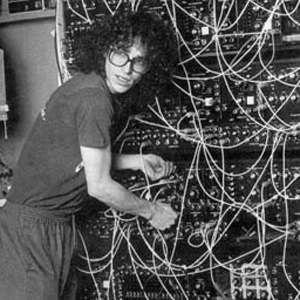
“Necessity is the mother of invention.” But how does this timeless saying hold up in today’s world of rapidly advancing technology?
In many ways, it feels harder now to create authentic works of art and music. We live in an age dominated by logic, efficiency, and left-brain thinking — where technology offers countless tools, choices, and distractions for artists and creative minds. Yes, the computer age has given us remarkable ways to produce, edit, and distribute art. Yet I often wonder: what happens to the human soul in the midst of all this? How much of the art we consume is born from genuine human spirit — and how much is generated, guided ,or even dictated by microprocessors? Computers are astonishing in their speed and capability; they think for us in ways our own minds cannot. But as the saying goes, the human brain makes a wonderful servant, yet a terrible master. If we allow technology and artificial intelligence to dominate the creative process, what remains of our own voice?
For me, the answer lies in embracing a more organic approach to art and music. Instead of drowning in 300 digital tools, choose just five — and truly explore them. Paradoxically, it’s often within limitations that the creative spirit shines brightest. Boundaries force us to stretch, imagine, and invent — which is where real artistry has always lived.
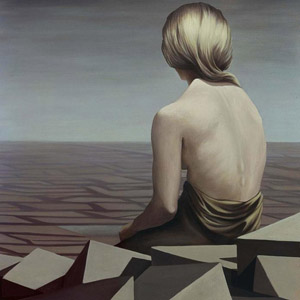
The "Tortured Artist" has been and is a complex idiom that brings up images of large loft spaces ensconced with clay, ink and mortar. We have images of paint on the ceiling and large canvas tarps that lay rumpled, soiled with colors. We think, musicians playing in dirty subways for spare bits of coin. But, what really is the tortured artist? The true artist does not choose art, the art chooses him or her. The mind of a true artist is haunted by images and thoughts. They wake in the middle of the night and rush over to pen and paper and try to define their imagery or sounds only they hear in their heads. They obsess on refining that thought over days, if not weeks to years. It is not the sound of appreciation that drives them, yet as the world around them can not comprehend why they do what they do, it becomes painful for this person to come to the realization that only a very few will ever understand them or give them the recognition they unconsciously desire. They can't stop the thoughts or these desires to create. It is truly a catch 22. You might as well tell them to stop breathing then to give up this desire. Over years, they feel trapped by their own compulsions and aspirations. With no appreciation for the accomplishments and years of work, and no outlet for their final drafts, they can slowly feel they are purposelessand then they feel empty. How many genius of the past never had the appreciation they deserved while they were alive.